Observe
Start with the person.
Look at how the athlete coordinates movement, alongside their goals and the demands they face.

Our story
Experience in performance coaching, physiotherapy and technology, brought together to help you put the SPP philosophy into practice.
What sits under an exerciseSounding
Anyone can show you the movement. The work is in the four layers underneath it.
01Why we built SPP
An exercise is easy to find. Knowing why it belongs in your athlete’s training takes more.
Their needs. Their environment. The way they move. We built Speed Power Play to make that coaching knowledge easier to explore and apply.
Our content brings together practical experience across performance, physiotherapy, rehabilitation and coordination-based training. The aim is simple: help you make a considered choice for the athlete in front of you.
Explore the SPP philosophy02The people behind SPPFour practitioners
The same question asked from four directions: what does this athlete actually need, and what will help them get it?
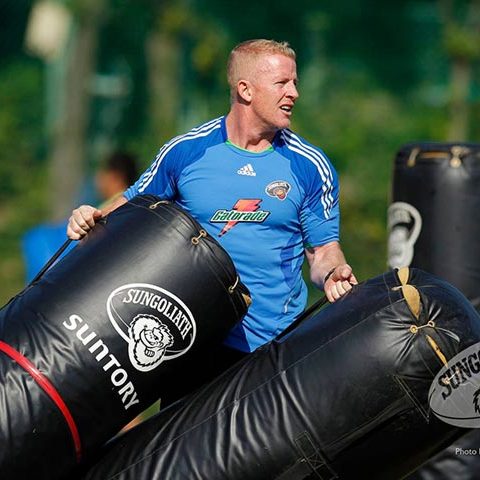
Performance Coach

Physio · Performance Coach

Physio · Performance Coach

Technology · Product
03From understanding to action
The method is not complicated. It is just rarely written down in a form you can work from.
Observe
Look at how the athlete coordinates movement, alongside their goals and the demands they face.
Understand
Connect what you see with SPP principles. Use the coaching content and Sensei to explore the options.
Apply
Shape the program, observe the response and adapt. Your judgement stays at the centre of the process.
Bring it into your next session